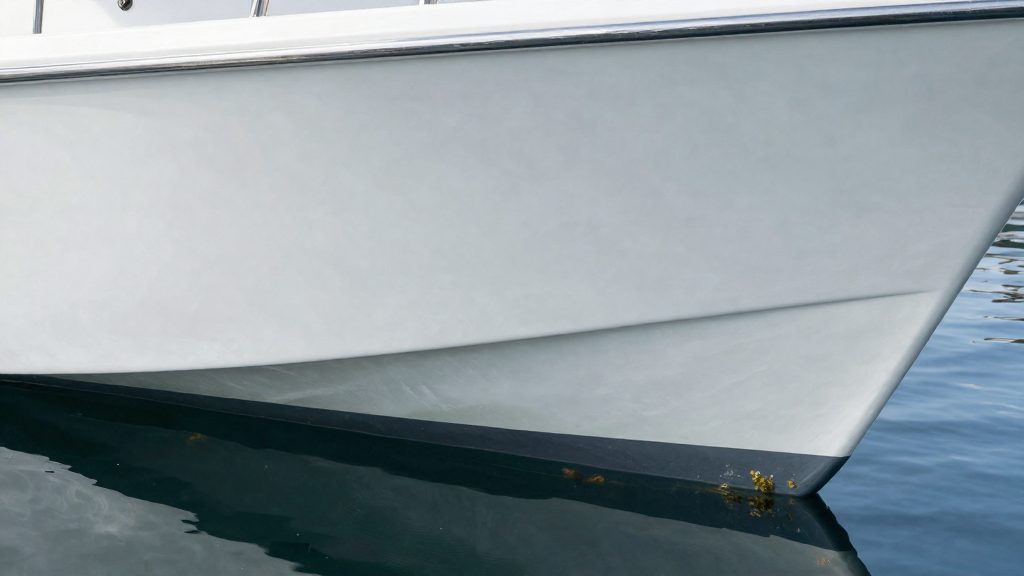
How Often Should You Clean Your Boat Hull?
Determining the appropriate maintenance schedule depends heavily on local water conditions and vessel operation. There is no single universal standard; instead, adjust your routine based on environmental factors and usage patterns to maintain optimal performance and hull integrity.
In tropical saltwater environments, such as those found along the Gulf Coast or Florida, biofouling accumulates rapidly. For vessels kept in the water, a cleaning interval of every 4 to 6 weeks is generally recommended to prevent excessive growth. In contrast, temperate or cold water regions experience slower biological growth. Here, in-water cleaning cycles can extend to every 8 to 12 weeks during the active boating season. When the boat enters winter dormancy, this interval lengthens significantly, often stretching to 3 to 4 months.
For high-performance craft, such as racing sailboats or performance powerboats, the focus shifts to hydrodynamics. Even microscopic biofilm or slime can degrade speed and handling. Consequently, these vessels typically require a hull wipe or diving service every 2 to 4 weeks to maintain a competitive edge.
Storage method also matters. Vessels that remain stationary in slips tend to accumulate fouling faster than those operated regularly at cruising speed, as natural water movement helps shed initial soft layers. Always tailor your schedule to your specific region and climate.
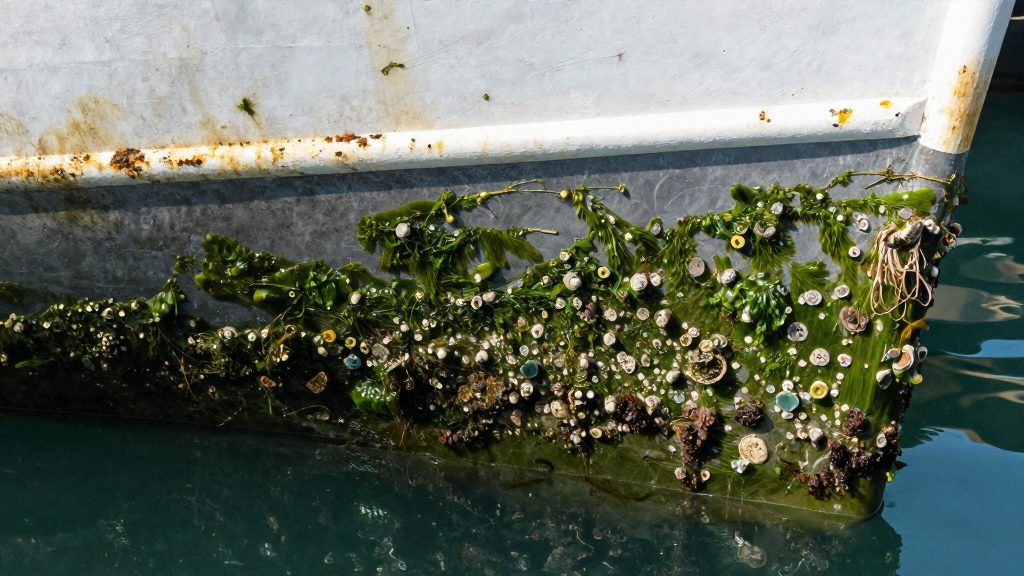
Primary Factors Influencing Hull Cleaning Schedules
The rate at which biofouling accumulates depends on vessel motion, water chemistry, and seasonal biological cycles. Understanding these variables allows boaters to tailor maintenance intervals to their specific operating conditions rather than relying on a rigid calendar.
Vessel motion plays a defining role in fouling progression. Vessels that remain stationary in slips or marinas experience accelerated biofouling because the lack of hydrodynamic force allows soft slime layers to adhere firmly to the surface. In contrast, boats operated regularly at cruising speed benefit from natural hydrodynamic sloughing. The water flow generated by movement helps strip away initial microscopic biofilm before it matures into harder, more resistant growth. Consequently, a vessel that cruises frequently may require less frequent deep cleaning than one that sits idle in the same marina.
Water chemistry and temperature further modulate these rates. Warm, nutrient-rich waters support rapid biological growth, while colder, temperate waters slow down metabolic processes. This seasonal shift dictates the necessity of adjusting schedules throughout the year. During the active boating season in temperate zones, biological activity is higher, necessitating more regular attention. As temperatures drop, biological activity slows significantly, leading to a period of winter dormancy. During these colder months, the accumulation of new fouling is minimal, allowing for extended intervals between cleanings.
| Operating Condition | Fouling Behavior | Maintenance Implication |
|---|---|---|
| Stagnant Slip | Rapid soft slime adhesion | More frequent inspections needed |
| Regular Cruising | Natural hydrodynamic sloughing | Extended intervals possible |
| Winter Dormancy | Minimal biological activity | Longest safe intervals |
Differences Between In-Water Mooring and Trailer Storage
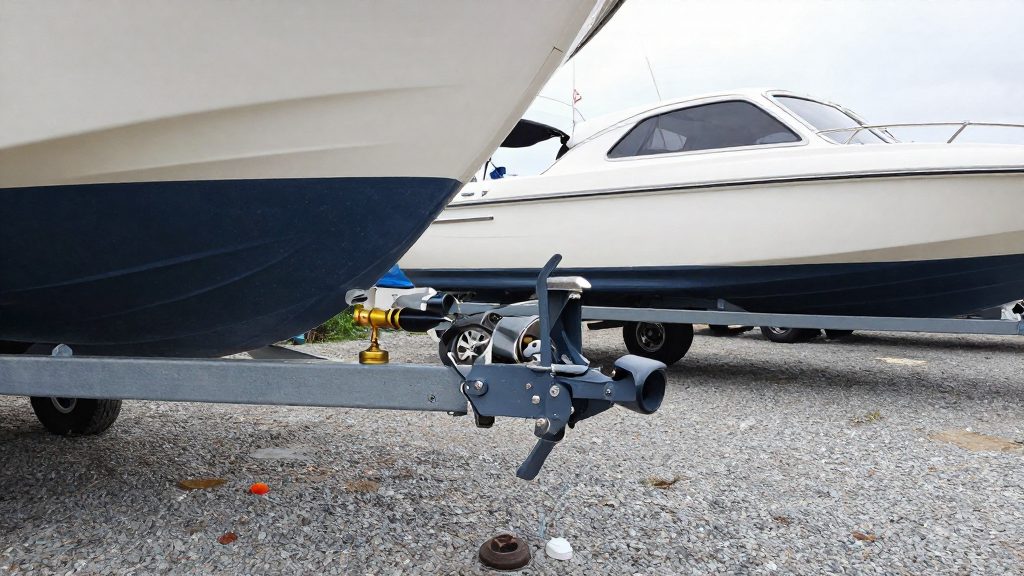
The maintenance cadence for a boat hull depends heavily on whether the vessel remains in the water or is hauled out for dry storage. Vessels kept in the water are subject to continuous biological growth, whereas trailered boats face different challenges related to drying and residue management.
For in-water mooring, the hull is constantly exposed to marine organisms. The frequency of cleaning is dictated by water temperature and movement. In warm or tropical saltwater, biofouling accumulates rapidly, necessitating frequent cleaning. In temperate or cold waters, the interval between cleanings is longer, extending significantly during winter dormancy when biological activity slows.
For trailer storage, the primary concern shifts from biological growth to chemical and physical residue. After every haul-out, the hull must be rinsed and cleaned within 24 hours of leaving the water. This immediate action prevents salt crusting and stops organic matter from adhering permanently to the surface. While in-water boats require regular soft cleaning, trailered vessels typically undergo more intensive power washing or acid-based deep cleaning only one to two times per year, often during annual winterization.
| Storage Type | Primary Maintenance Focus | Typical Frequency |
|---|---|---|
| In-Water Mooring | Biofouling removal (soft slime, barnacles) | Varies by climate; frequent in warm waters |
| Trailer Storage | Salt crusting prevention, deep cleaning | Rinse within 24 hours; deep clean 1-2x/year |
What Are the Environmental and Legal Regulations for In-Water Cleaning?
When moving a vessel between different water bodies, compliance with invasive species prevention protocols is essential. The national ‘Stop Aquatic Hitchhikers!’ campaign and the U.S. Fish and Wildlife Service (USFWS) / Aquatic Nuisance Species Task Force (ANSTF) recommend the Clean, Drain, Dry protocol, which advises drying gear and the hull for a minimum of five days before entering new waters. While these federal guidelines are voluntary educational resources, binding transport bans and decontamination mandates are enacted and enforced at the state level. Boaters must check specific state regulations to ensure legal compliance when transporting vessels between water bodies.
Beyond preventing biological transport, environmental regulations govern how cleaning is performed. Under the Clean Boating Act of 2008, recreational vessels are exempt from Clean Water Act NPDES discharge permitting and commercial vessel standards. Consequently, recreational in-water hull maintenance is governed by state water quality standards, local port and marina rules, and voluntary EPA Best Management Practices. For commercial vessels, federal performance standards under 40 CFR § 139.22 apply. These standards prohibit discharge from in-water cleaning without capture of copper-based coatings in designated copper-impaired water bodies within 365 days of application, and discharge from in-water cleaning of macrofouling without capture is prohibited outright. These rules protect water quality by preventing the release of harmful chemicals and heavy metals into sensitive ecosystems.
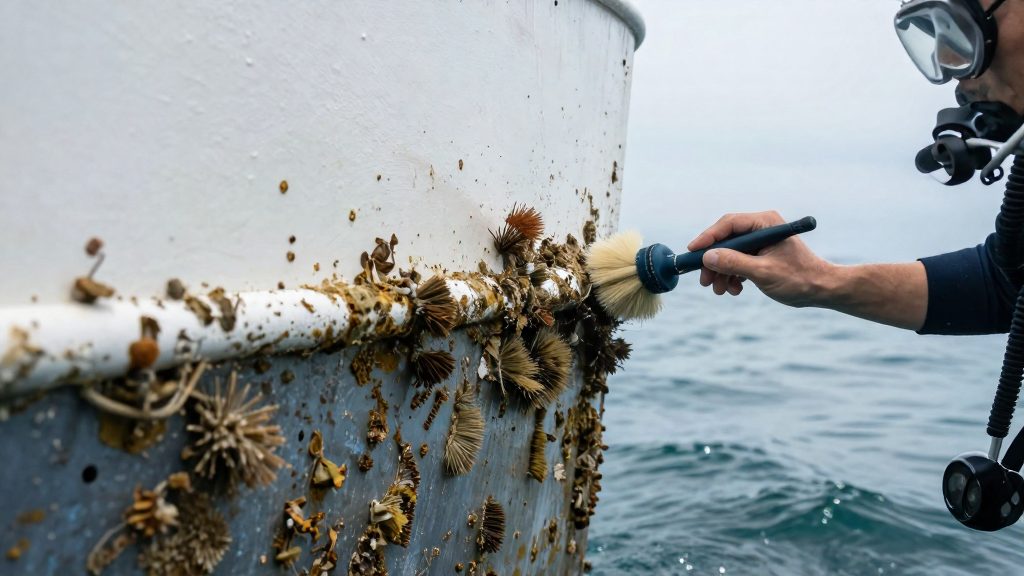
Recommended Tools and Techniques for Hull Maintenance
Selecting the right equipment is essential to remove biofouling without compromising the integrity of your antifouling coating. For routine maintenance, always use soft-bristle brushes or non-abrasive sponges. These tools effectively lift soft slime and algae while minimizing the risk of scratching gelcoat or peeling paint. Avoid stiff wire brushes or abrasive pads, which can create micro-scratches that trap future growth and degrade the hull’s surface finish.
When using a pressure washer, exercise extreme caution. High-pressure streams can strip antifouling paint or damage underlying fiberglass if applied too closely. Maintain a safe distance from the hull surface and use a wide fan nozzle to distribute force evenly. Start with the lowest pressure setting and increase only if necessary, always testing on an inconspicuous area first. This approach ensures thorough cleaning while preserving the protective layer.
For deeper inspections or when heavy fouling persists, consider hiring a professional diving service. Divers can visually assess the entire underwater surface, identifying areas of heavy growth, coating failure, or structural issues that are invisible from the dock. They can also perform targeted cleaning using specialized tools designed for in-water work, ensuring that no part of the hull is missed. This method is particularly useful for vessels that remain in the water for extended periods, where manual scrubbing from a dock may be insufficient.
Why Routine Hull Cleaning Protects Performance and Longevity
Biofouling is not merely a cosmetic issue; it directly undermines the hydrodynamic efficiency of your vessel. Even a thin layer of microscopic biofilm or slime creates surface roughness that disrupts laminar flow. This increased friction generates additional drag, forcing the engine to work harder to maintain speed. The result is a measurable reduction in fuel efficiency and a decrease in top-end performance. For performance-oriented craft, such as racing sailboats or high-speed powerboats, this degradation is particularly acute, necessitating frequent removal of soft slime to preserve optimal hydrodynamics.
Beyond performance, neglecting hull maintenance compromises the integrity of your protective coatings. Organic growth retains moisture against the gelcoat or paint, creating an environment conducive to osmotic blistering and corrosion. Regular cleaning prevents these biological agents from anchoring permanently to the surface, which can lead to long-term structural damage if left unchecked. By removing fouling before it matures into hard barnacles or mussels, you protect the underlying coating from mechanical stress and chemical degradation.
Frequently asked questions
How often should I clean a boat kept in tropical saltwater?
In warm or tropical environments like Florida, biofouling accumulates rapidly, so you should clean the hull every 4 to 6 weeks while the vessel remains in the water.
What is the recommended cleaning interval for cold water regions?
In temperate or cold waters, biological growth is slower, allowing you to extend in-water cleaning cycles to every 8 to 12 weeks during the active season.
How does vessel motion affect the need for hull cleaning?
Vessels operated regularly at cruising speed naturally shed soft slime layers through hydrodynamic movement, meaning they often require less frequent cleaning than stationary boats in slips.