What Pre-Launch Hull and Thru-Hull Inspections Are Required?
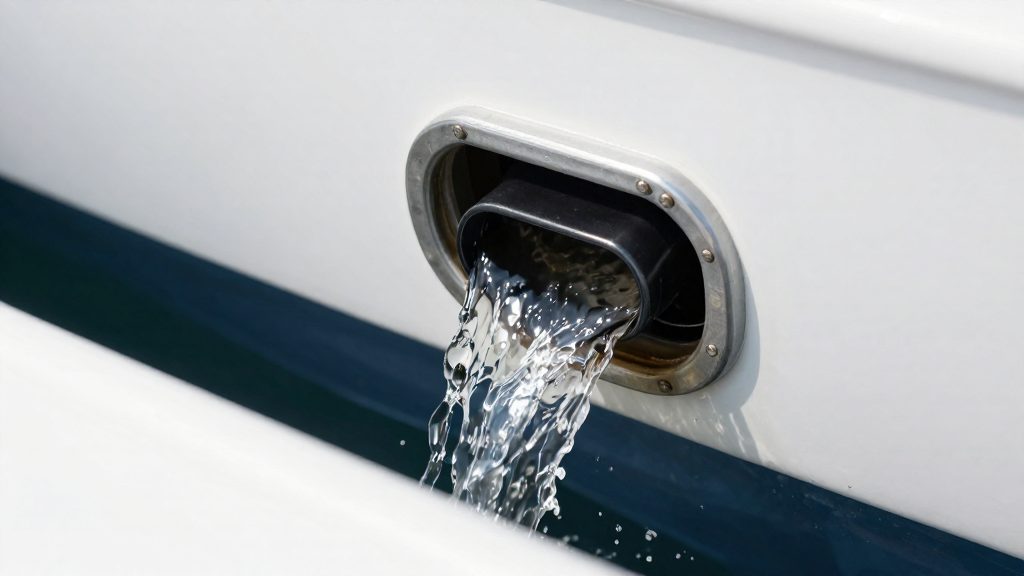
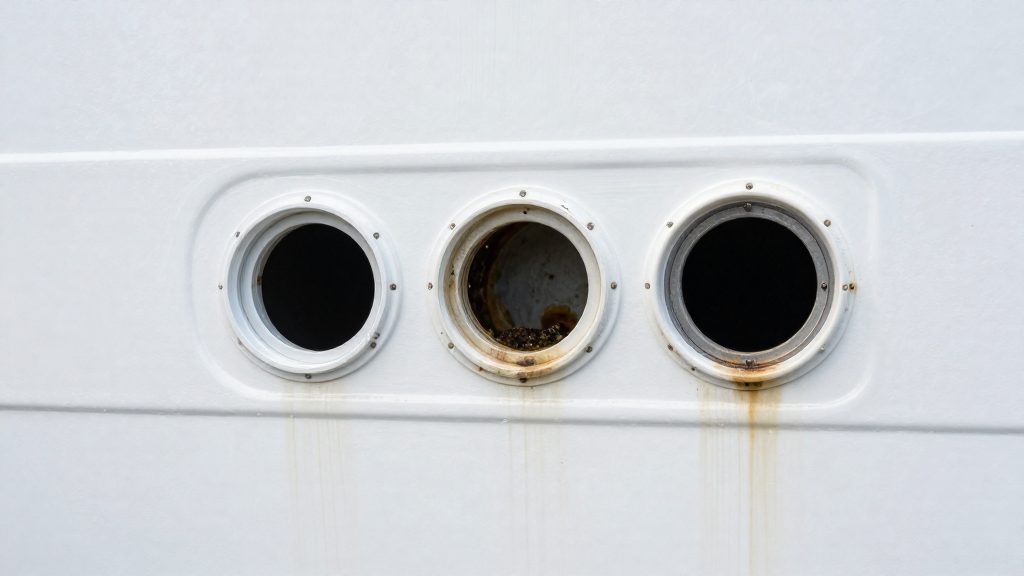
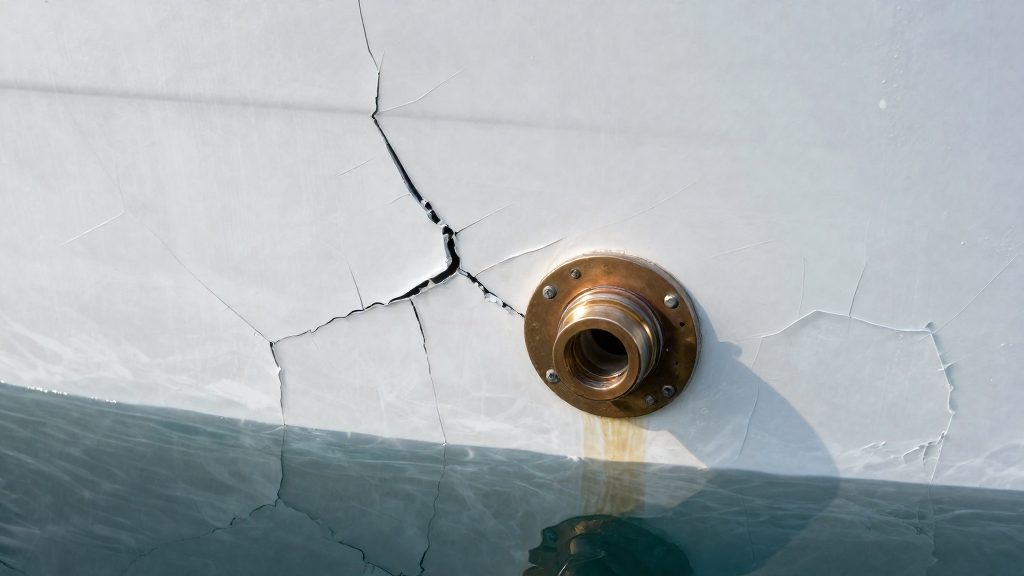
Before refloating your vessel, a thorough examination of submerged structural integrity is essential. Begin by inspecting the thru-hull valves and their associated hose connections. Verify that all hoses below the waterline are secured with all-marine-grade stainless steel hose bands. Where the barb length permits, double-clamping with opposed worm drives is recommended to prevent accidental disconnection. Ensure the valves operate smoothly and seal tightly when closed, as a stuck or leaking valve can lead to rapid flooding.
Next, assess the condition of your sacrificial anodes. These components protect your drive running gear from galvanic corrosion. You must replace any anode that has eroded or pitted by half of its original volume. Do not wait until an anode is completely consumed; partial erosion reduces its protective capability significantly. Check both the propeller shaft and the rudder stock, as these are primary points of galvanic attack.
Finally, evaluate the hull’s surface condition, paying close attention to the gelcoat and the waterline. Look for signs of osmosis, which appear as small blisters or soft spots in the gelcoat. If you detect blisters, they should be addressed before launch to prevent further moisture ingress into the laminate. Inspect the waterline sealant for cracks or gaps, as this is a common entry point for water. A clean, intact sealant line ensures that the hull remains watertight and structurally sound during the season.
The following table summarizes the critical inspection and replacement criteria for essential safety and mechanical components during spring commissioning, based on USCG regulations and industry standards.
| Component | Inspection / Replacement Criterion | Regulatory / Technical Basis |
|---|---|---|
| Disposable Fire Extinguishers | Expire 12 years after the manufacture date stamped on the container, regardless of gauge status. | USCG Navigation Safety Standards / 46 CFR |
| Pyrotechnic Visual Distress Signals | Expire 42 months (3.5 years) from the date of manufacture. | 46 CFR § 160.066-10 / USCG Boating Safety Directives |
| Sacrificial Anodes | Replace when eroded or pitted by 50% or more of their original volume. | BoatUS / West Marine Technical Guidelines |
| Personal Flotation Devices (PFDs) | One USCG-approved PFD in serviceable condition per person onboard; at least one Type IV throwable device for vessels 16 feet and longer. | USCG National Boating Safety Guidelines |
| Below-Waterline Hoses | Clamped with all-marine-grade stainless steel hose bands; double-clamped with opposed worm drives where barb length permits. | BoatUS Marine Insurance / ABYC Standards |
| Raw-Water Cooling Pump Impellers | Inspect annually; replace if brittle, cracked, or set in a permanent curve after winter storage. | BoatUS Foundation / Discover Boating |
| Inboard Packing Gland / Stuffing Box | Allow approximately 2 to 3 drops of water per minute while turning; no continuous dripping while stationary. | BoatUS / Practical Sailor |
| Bilge Pumps and Alarms | Manually cycle and verify functionality of pumps, float switches, and high-water alarms before launch. | USCG Vessel Safety Check Standards |
| Registration and Documentation | State registrations, USCG Certificates of Documentation, and validation decals must be current and physically carried onboard. | USCG Federal Boating Regulations / NASBLA |
How Should Engine, Fuel, and Cooling Systems Be Commissioned?
Before the first ignition, validate the mechanical powertrain, fluid integrity, and thermal management systems to ensure safe operation. Begin with the raw-water cooling circuit. Inspect the impeller annually; if the vanes appear brittle, cracked, or set in a permanent curve after winter storage, replace the unit immediately. A compromised impeller cannot circulate water effectively, leading to rapid overheating. Prime the pump by filling the intake hose with water before starting the engine to prevent dry running, which can damage the pump housing and seals.
Next, address the fuel system. Check all lines for signs of brittleness, swelling, or leaks, and inspect the fuel filter for contamination. Replace filters if they appear dark or clogged, as restricted flow can cause engine misfires or stalling. Verify that all connections are tight and that no fuel residue is present on the engine block or surrounding components.
Finally, confirm fluid levels. Check the engine oil level and condition; top up or change the oil if it appears dark or contains sludge. Inspect the coolant reservoir to ensure it is filled to the appropriate mark, and verify the coolant mixture ratio if applicable to your engine type. These steps ensure the engine maintains proper lubrication and thermal regulation during the initial warm-up period.
Electrical Systems, Batteries, and Bilge Pump Checks
Before launching, verify that your vessel’s power systems are ready for the season. Start by inspecting battery terminals for corrosion. Clean any buildup using a baking soda and water solution, then apply a dielectric grease to prevent future oxidation. Once clean, perform a load test to ensure the battery holds a charge under demand. A weak battery can fail to start the engine or power critical electronics when you need them most.
Next, examine the charging system. With the engine running, check the voltage output at the battery terminals. The alternator should be supplying a consistent voltage within the manufacturer’s specified range to ensure the battery recharges efficiently. If the voltage is low, the alternator or voltage regulator may need attention.
Finally, test the bilge pump and its float switch. Manually lift the float to trigger the pump and listen for operation. Verify that water is being ejected overboard. Also, test the manual override switch to ensure you can activate the pump independently of the float. This redundancy is vital for emergency water ejection if the automatic system fails.
How to Verify USCG Safety Gear and Mandatory Equipment?
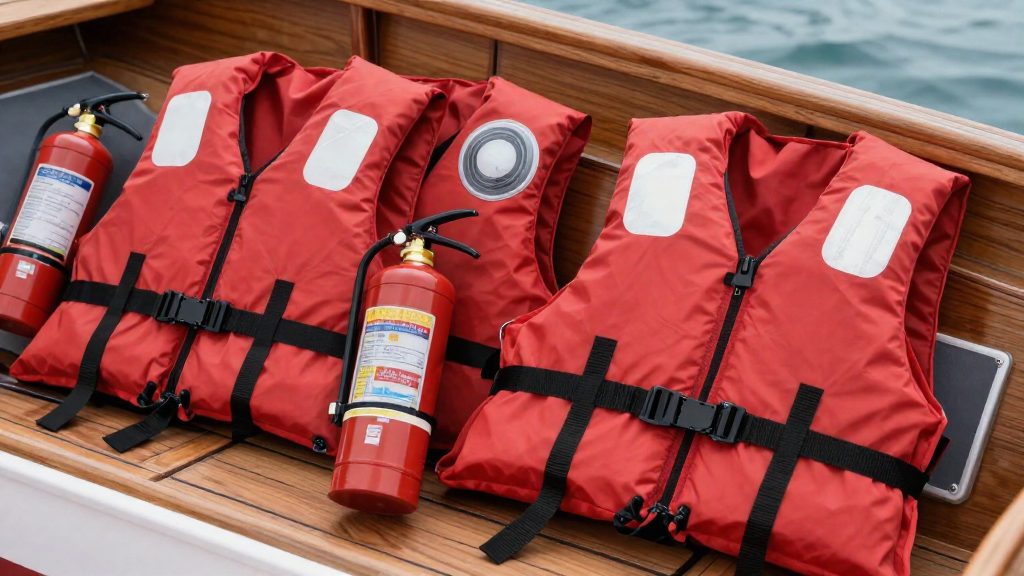
Before launching, confirm that all life-saving devices, visual signals, and fire suppression systems meet current federal standards. Start by inspecting every Personal Flotation Device (PFD). Each wearable PFD must be in serviceable condition, correctly sized for the wearer, and display a valid USCG approval label. Additionally, vessels sixteen feet and longer must carry at least one Type IV throwable device, such as a ring buoy or cushion, which must also be in good repair.
Next, check the expiration dates on all pyrotechnic visual distress signals. Handheld flares, aerial meteors, and parachute flares typically expire 42 months after their manufacture date. Discard any expired units immediately, as they may fail to ignite or burn properly. Similarly, inspect your fire extinguishers. Disposable, non-rechargeable units expire 12 years after the date stamped on the container, regardless of the pressure gauge reading. Rechargeable extinguishers require periodic professional inspection and recharging according to manufacturer schedules.
Finally, conduct a full inventory of your visual distress signals and sound-producing devices. Ensure you have the required number of flares or a day flag, and verify that your horn or whistle is functional and audible. Keep these items in accessible, dry storage locations.
Deck Hardware, Ground Tackle, and Trailer Preparedness
Before launching, systematically inspect all structural load-bearing components to ensure they can withstand the stresses of docking and anchoring. Begin with the mooring gear: examine the anchor rode, chain, and shackles for signs of fatigue, kinks, or excessive wear. Pay close attention to shackles, ensuring pins are secure and that there is no visible deformation in the bow or body. Any component showing significant corrosion or structural compromise should be replaced immediately to prevent catastrophic failure at sea.
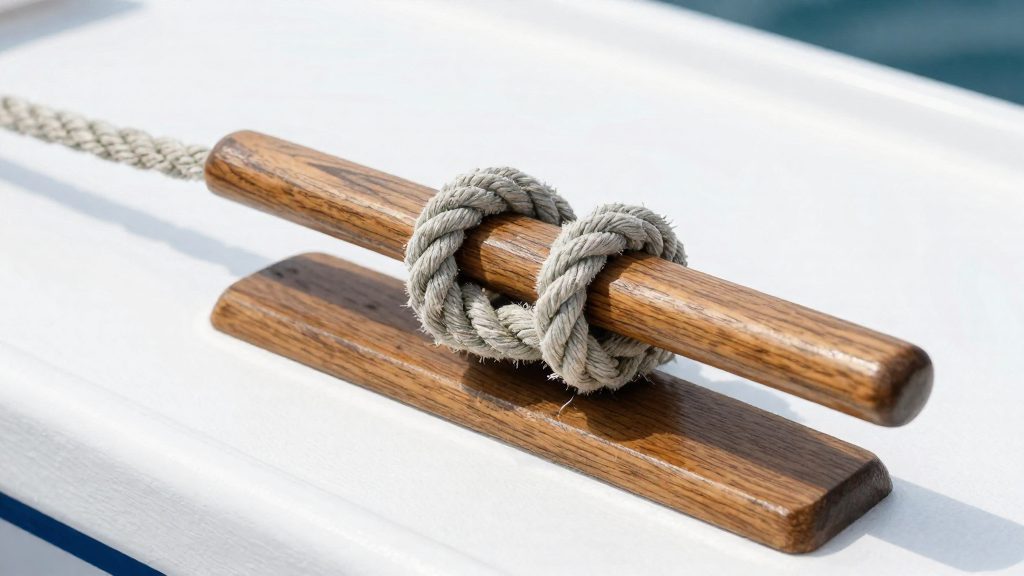
Next, assess the deck fittings such as cleats, winches, and bollards. Check for pitting or rust that may weaken the metal. If you notice heavy corrosion, clean the area thoroughly and apply a protective coating to prevent further degradation. Ensure that all moving parts of the winch operate smoothly and that the drum is free of burrs that could damage the line.
For vessels transported on trailers, focus on the transport equipment readiness. Inspect the tires for proper inflation and tread depth, replacing any that show signs of dry rot or cracking. Check the wheel bearings for play or grinding noises; if detected, repack or replace them to avoid axle failure during transit. Lubricate the axle and hitch components to ensure smooth operation and prevent rust buildup. Finally, verify that the trailer lights and safety chains are in working order, as these are critical for safe road travel.
Splash Day Verification and Underway Operational Tests
Once the vessel is afloat, the final phase of spring commissioning involves validating dynamic performance and emergency readiness in open water. Begin by verifying engine idle stability and throttle response. Engage the transmission and observe how the engine reacts to gradual throttle increases; the power unit should accelerate smoothly without surging or stalling. Simultaneously, test steering response at various speeds to ensure the helm provides precise control and that the rudder tracks correctly without excessive lag or vibration.
Next, conduct operational checks on critical safety systems. Manually cycle the bilge pump and its automatic float switch to confirm the unit activates and expels water efficiently. This verification ensures the vessel can manage unexpected water ingress from hull penetration or component failure. Additionally, inspect all navigation lights, including sidelights, stern light, and anchor light, to guarantee they illuminate properly and are visible from the required distances.
Finally, execute an emergency response drill. Perform a controlled emergency stop to assess braking capability and vessel stability. If applicable, practice a man-overboard recovery procedure with a crew member to ensure all personnel understand the protocol for signaling, turning the vessel, and deploying rescue equipment. These dynamic tests confirm that the boat is not only mechanically sound but also safe for operational use.
Frequently asked questions
How do I know when to replace my sacrificial anodes?
You should replace any anode that has eroded or pitted by 50% or more of its original volume. Waiting until the anode is completely consumed significantly reduces its ability to protect your drive running gear from galvanic corrosion.
What are the federal requirements for fire safety equipment?
Disposable fire extinguishers expire 12 years after their manufacture date, regardless of the gauge status. Additionally, pyrotechnic visual distress signals, such as flares, carry an expiration window of 42 months from the date of manufacture.
How should I secure hoses below the waterline?
Hoses must be clamped with all-marine-grade stainless steel hose bands to ensure a secure fit. Where the barb length permits, you should double-clamp the connections with opposed worm drives to prevent accidental disconnection.