How do you read a personal flotation device size chart?
A size chart matches a device to the person who will wear it. Most charts sort sizes by body measurement or body weight, and each row gives a range. Find the row that matches the wearer, then confirm the choice against the label on the device itself.
Each manufacturer publishes its own chart, and ranges and measuring methods differ from one brand to another. The chart supplied with the jacket you are buying is the reference, not a generic table found online. If the wearer’s weight and chest measurement point to different sizes, follow the instructions the manufacturer gives for that style of device, and do not guess.
Adults are sized by chest, children by weight
Adult devices are sized by chest measurement. Measure at the point the chart specifies, which is usually the widest part of the chest, and use the unit the chart uses. A tape held loosely or measured over clothing gives a wrong number, so measure with the wearer standing and relaxed.
Children’s devices are sized by body weight. Weight is the sizing basis in the U.S. Coast Guard’s boating safety guidance for children, so weigh the child on a reliable scale before you shop. Never size a child with an adult chart. Adult-sized devices may not work for children, even when they seem to fit loosely over the shoulders.
Weight bands for youth, child and infant devices
The U.S. Coast Guard boating safety guidance groups wearers by weight as follows:
- Infant: 33 lb or less
- Child: over 33 lb up to and including 55 lb
- Youth: over 55 lb up to and including 88 lb
- Adult: over 88 lb
These bands are a general guide. The user weight printed on the label and the manufacturer’s chart decide the final choice. If the wearer sits near the edge of a band, check both the label and the chart before buying, and do not rely on the band alone.
Infants and newborns
Infant devices cover the lowest weight band, but very small babies may not fit any infant device properly. If the chart does not list your baby’s weight, do not guess and do not use an adult or child device as a substitute. Ask the manufacturer or a marine retailer which product is designed for that weight, and keep the baby out of open water until a suitable device is in place.
How should a life jacket fit?
A good fit is secure, comfortable and adjustable. Body shapes affect how a device floats, so two wearers of similar size may get different results, and the in-water check matters more than the number on the chart.
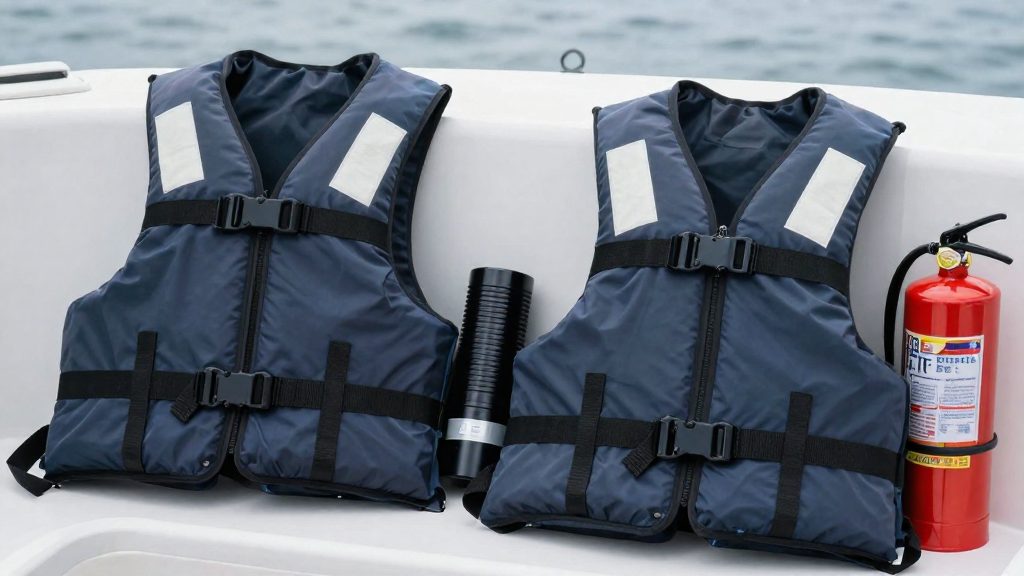
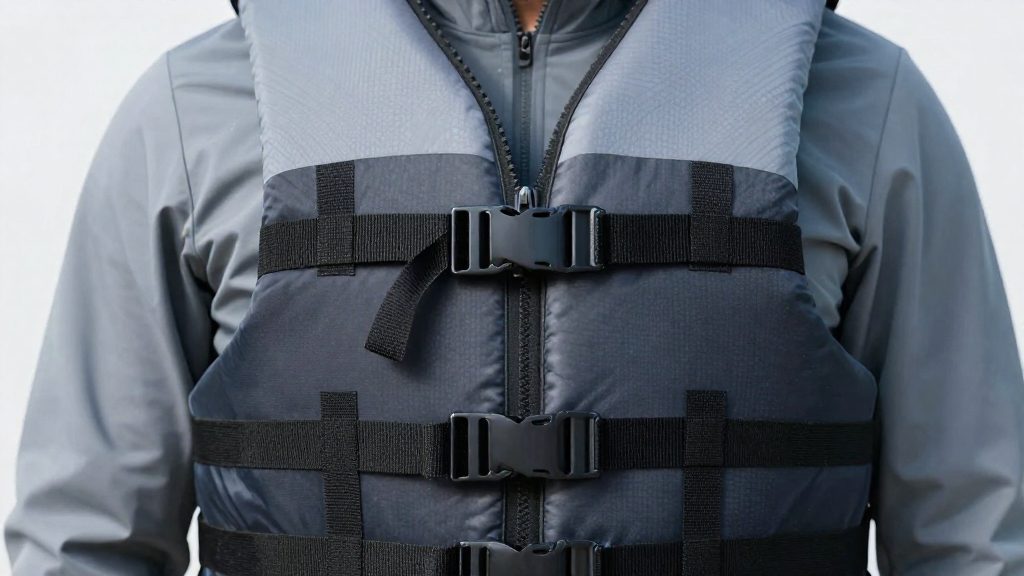
For foam-filled devices, a correct fit is snug. When worn correctly, the device should not rise above the wearer’s chin or ears, even when the wearer moves. Fasten every closure and adjust every strap before you leave the dock. A device that slides up over the face in a fall into the water will not keep the airway clear.
Wear the device at all times when the vessel is underway, not only when a rule requires it. You should also be able to put it on quickly in an emergency, so choose a style you can fasten without struggling.
How do you test the fit in the water?
Test the device in shallow, calm water with a competent swimmer nearby. Put it on, fasten and adjust it, then enter the water. Confirm that your airway is clear and that your face stays out of the water. Then lift both arms overhead and move your torso; if the device rides up toward the chin or ears, the fit is wrong.
If the airway is not clear, or the device rides up when you raise your arms, do not use it. Try another size from the manufacturer’s chart, or a different style suited to the wearer’s swimming ability. Repeat the test with the chosen device. Do not test a child’s device without an adult in the water, and do not assume that a device that floats a child in a pool will do the same in open water.
Where to find size and approval on the label
The label is the final authority for size. Check the printed user weight and chest size against the wearer before you buy, and confirm that the stated limits match the person who will use the device.
The label also states what the device is designed for. Some buoyancy aids are not intended for weak or non-swimmers, so read the swimming-ability statement before you rely on a device for someone who cannot swim well. If you cannot find the approval information or the size on a device, do not buy or use it.
Common sizing mistakes to avoid
The most frequent error is buying a device for a child to grow into. A device must fit the current weight and chest measurement, and an oversized device can ride up and fail in the water. Replace a device when the child outgrows it, rather than waiting for the next season.
Another mistake is choosing the most comfortable device on the shelf. Comfort in the store does not show how a device behaves in the water, so always complete the in-water test before you go out.
Avoid mixing charts from different manufacturers. Sizing ranges differ, so a size that matches one brand’s chart may be wrong for another’s. Finally, do not assume an adult device will work for a teenager who is near the adult weight band. Compare the teenager’s weight and chest measurement against the label, then decide.
Frequently asked questions
What does the turning rating on a life jacket label mean?
The rating describes how the device helps an unconscious person in the water. Some devices are designed to turn a person from face-down to a safer position, while others, such as many buoyancy aids, are not designed for that purpose. Read the label before choosing a device for a non-swimmer.
Can I use an inflatable life jacket on a boat with children?
Inflatable devices are sized only for adults, and they are not appropriate for weak or non-swimmers. Children should wear child-sized devices designed for their weight, which are not inflatable.
How often should I check a foam-filled life jacket?
Test foam-filled devices for wear and buoyancy at least once a year. Discard any device that is waterlogged, faded or otherwise damaged, and replace it rather than repairing it with tape or stitching.